
Contents

At its core, it describes the ability to monitor, manage and analyze the movement and usage of returnable assets such as crates, pallets, kegs, totes and other transport items as they circulate between multiple partners.
Unlike traditional logistics tracking, which focuses on shipments or one-way delivery flows, reusable asset tracking focuses on assets designed to be used repeatedly across a circular network.
This introduces a fundamentally different operational challenge: not just knowing where something is in transit, but understanding where it has been, how often it has been used, how long it remains idle and when it is due to return.
For supply chain leaders, this shift is becoming increasingly important as pressure grows to improve asset utilization, reduce loss rates and meet emerging regulatory and sustainability expectations such as EU Packaging and Packaging Waste Regulation (PPWR).

What is reusable asset tracking?
Reusable asset tracking is the process of monitoring returnable or shared logistics assets across their entire lifecycle as they move through a supply chain network. This includes tracking movement between manufacturing sites, distribution centers, retailers and pooling hubs.
The focus is on assets that are not consumed or discarded after a single use. Instead, they are part of a continuous loop where visibility is often fragmented across multiple organizations.
In practical terms, reusable asset tracking answers questions such as:
- Where is a specific returnable container right now?
- How many times has this asset been used?
- How long does it stay idle between cycles?
- Which partners are responsible for delays or losses?
- What is the total utilization rate of the asset pool?
This is different from standard logistics asset tracking, which often focuses on shipment milestones or warehouse inventory. Reusable asset tracking is about lifecycle intelligence rather than visibility over specific assets at one time.
What makes reusable assets different from owned assets?
Most traditional asset tracking systems were built for owned assets within a single organization.
A company knows what it owns, where it is stored, and who is responsible for it. Even when assets move between sites, they remain within a controlled environment.
Reusable supply chain assets operate differently.
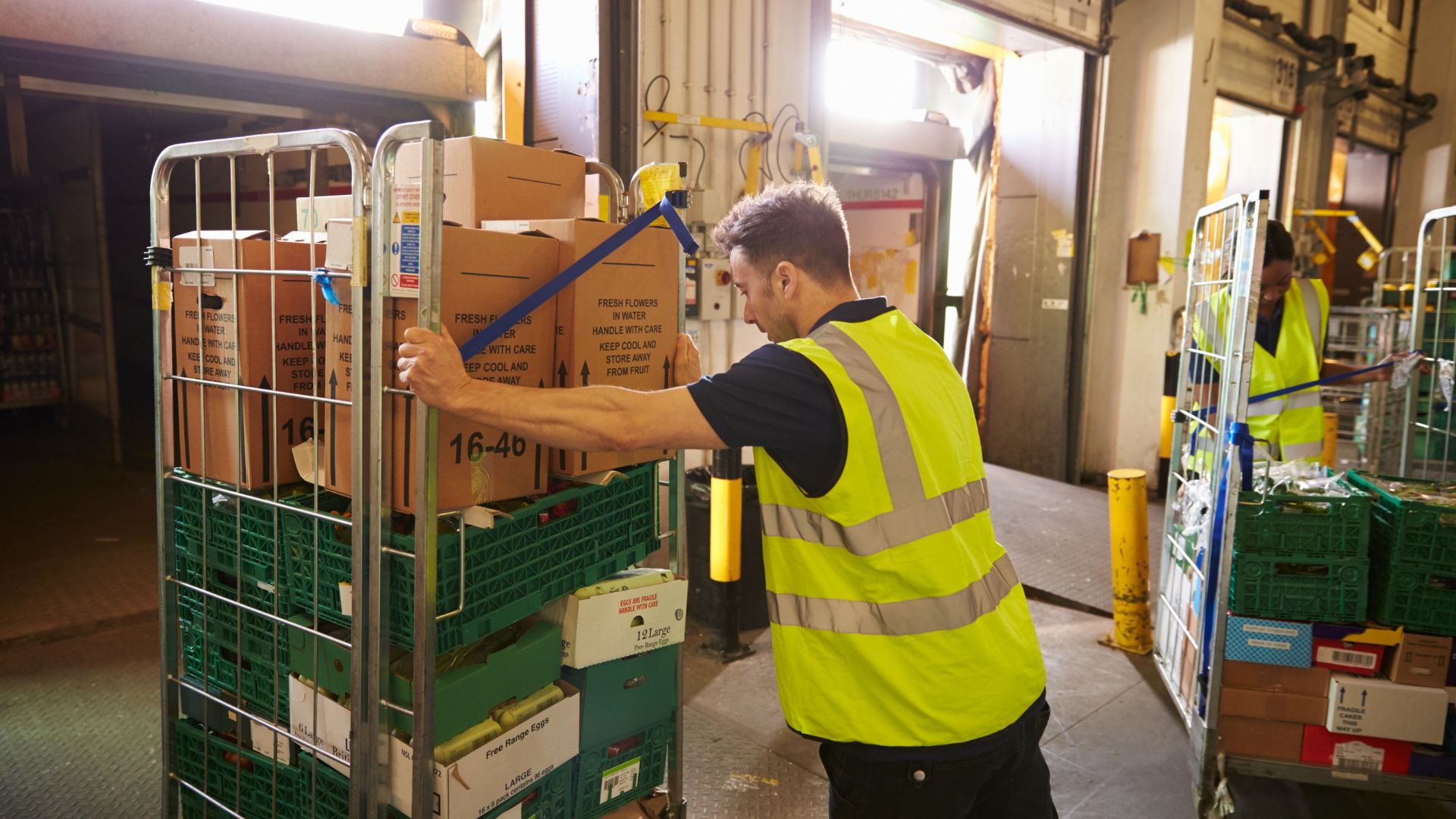
They are typically pooled across multiple organizations with shared responsibility. A pallet or crate might pass through ten or more handling points across different companies before returning to a pool operator.
This creates three core challenges:
Fragmented accountability
No single party has full visibility or ownership responsibility across the entire lifecycle. This leads to gaps in tracking and unclear loss attribution.
High velocity circulation
Returnable transport items (RTIs) move quickly through networks. Without continuous tracking, they can easily disappear into idle stock, misrouted and even stolen.
Network complexity
Reusable asset ecosystems involve multiple stakeholders including manufacturers, logistics providers, retailers, and pooling operators. Each may use their own tracking systems, or none do any tracking at all.
Because of these differences, returnable asset tracking requires a network-level approach rather than a company-level one.

What is returnable asset tracking in practice?
Returnable asset tracking is a closely related concept to reusable asset tracking, and they are often used interchangeably. It refers specifically to monitoring assets designed to be returned to a pool or origin point after use.
Common examples include:
- Beverage crates circulating between bottlers and retailers
- Pallets shared across FMCG distribution networks
- Industrial containers used in automotive supply chains
- Reusable totes in grocery fulfillment systems
Returnable asset tracking focuses on ensuring these assets complete their intended cycles efficiently.
Without visibility, organizations often face shrinkage, imbalance in asset distribution and unnecessary capital expenditure on replacement assets.

The visibility problem in reusable supply chains
The biggest operational challenge in reusable logistics is not movement itself but visibility. Many organizations still rely on periodic scans or siloed warehouse systems to understand where assets are.
This leads to several recurring issues:
- Assets disappearing between nodes in the network
- Over-purchasing of containers due to perceived shortages
- Inefficient redistribution between locations
- Low utilization rates of expensive asset pools
Reusable container tracking systems aim to close these gaps by providing continuous or event-driven visibility across the asset lifecycle. However, achieving this at scale has historically been difficult due to infrastructure requirements.

Why traditional tracking systems fall short
Legacy logistics asset tracking solutions often rely on fixed infrastructure such as warehouse scanners, RFID gate readers or Wi-Fi-enabled environments. While these systems work well in controlled locations, they struggle in open, distributed pooling networks.
Reusable supply chains do not operate within fixed boundaries. Assets move across:
- Third-party logistics providers
- Retail environments
- Outdoor or temporary storage locations
- Cross-border transport routes
In these environments, fixed infrastructure becomes inconsistent or unavailable. This creates blind spots that break continuity of data.
As a result, many organizations end up with partial visibility of their reusable assets, rather than a complete overview of where each of them are.

What modern reusable asset tracking enables
When implemented effectively, reusable asset tracking provides a unified view of assets across the entire network. This enables more informed operational decisions and reduces reliance on assumptions.

Reusable asset tracking and EU PPWR
The Packaging and Packaging Waste Regulation (PPWR) is pushing for a reuse, recyclability and accountability approach across packaging systems in the European Union. While the regulation is mainly focused on packaging reduction and reuse targets, it also increases the importance of proving how reusable systems operate in practice.
For organizations using reusable or returnable packaging, this means visibility is no longer a nice-to-have. It becomes part of compliance preparation, particularly when demonstrating reuse rates, overall performance and system efficiency.
Reusable asset tracking provides the operational data needed to support these requirements, turning physical movement into measurable reporting outputs.
The role of asset visibility software in reusable networks
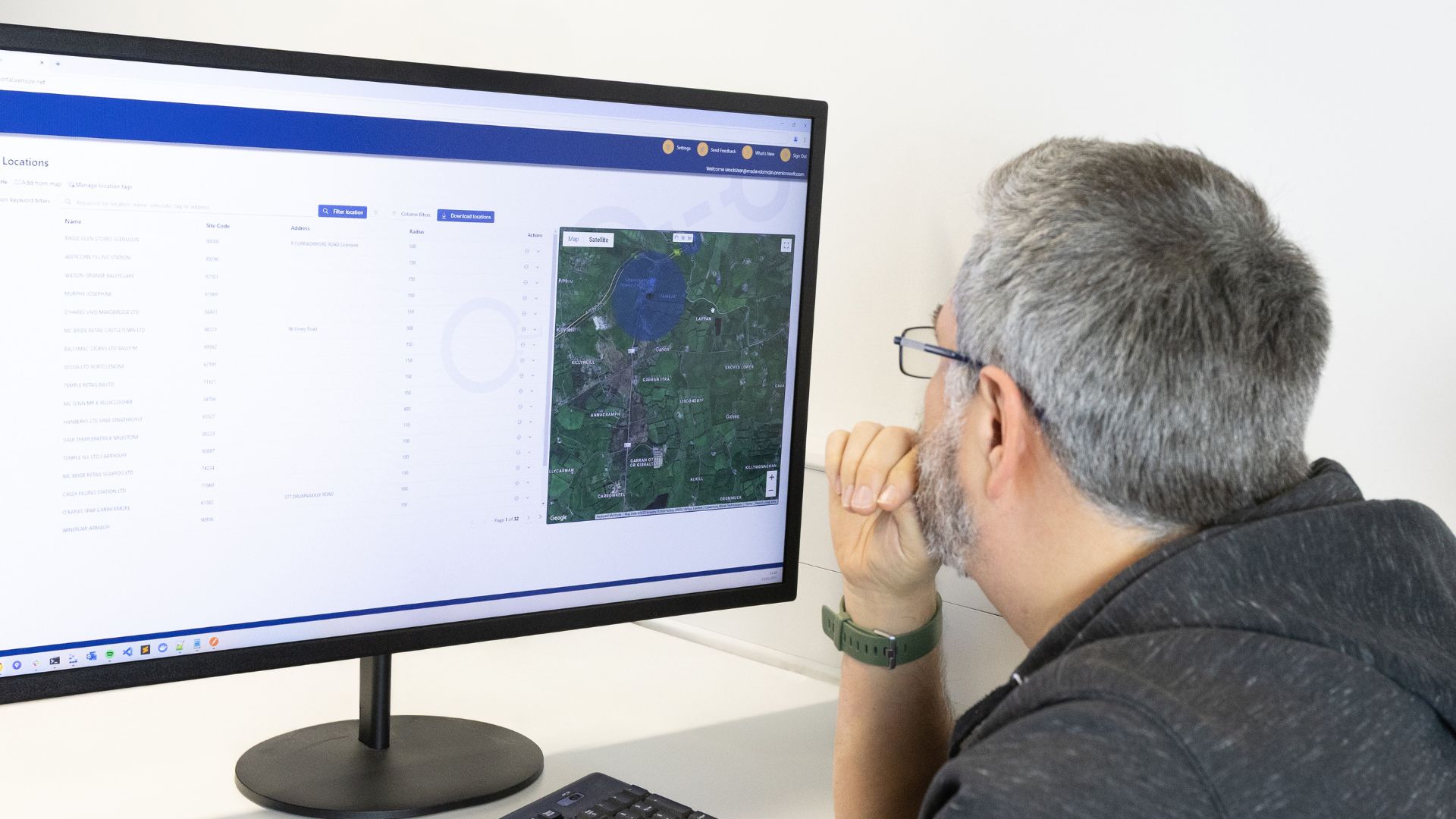
Asset visibility software is the layer that transforms raw tracking data into usable operational insight. In reusable supply chains, this software must handle high-volume, multi-party movement data and present it in a way that supports operational decision-making.
Key capabilities typically include:
- Lifecycle tracking of reusable containers and RTIs
- Cross-network visibility across multiple partners
- Exception detection for lost or delayed assets
- Utilization data across asset pools
- Integration with existing logistics systems
In this context, reusable asset tracking enables you to monitor and improve system performance over time.

Why scalability matters in reusable container tracking
Scalability is one of the most overlooked aspects of reusable container tracking systems. A solution that works for a single warehouse or controlled network often breaks down when applied across national or international pooling systems.
The challenge lies in maintaining consistent visibility without requiring heavy infrastructure deployment at every node. This is particularly important for FMCG and retail networks where assets may pass through thousands of locations.
Modern approaches increasingly focus on infrastructure-light models that allow tracking to persist across diverse environments without requiring fixed readers or constant connectivity.

The future of logistics asset tracking
Logistics asset tracking is shifting from static point-based systems to dynamic lifecycle intelligence. In reusable supply chains, the goal is no longer just to know where an asset is, but to understand how it behaves across time.
This includes:
- Movement velocity
- Cycle times
- Regional imbalances in asset distribution
- Predictive loss and failure patterns
As reusable systems expand due to cost pressures and regulatory incentives, the need for accurate returnable asset tracking will continue to grow.
Organizations that can achieve reliable visibility across their reusable fleets will be better positioned to reduce operational waste, improve capital efficiency and adapt to evolving compliance requirements.
Conclusion
Reusable asset tracking is becoming a foundational capability for modern circular supply chains. It enables businesses to move beyond fragmented visibility towards a complete understanding of how reusable assets perform across complex networks.
As reusable packaging systems scale and regulatory frameworks such as EU PPWR evolve, visibility will become central to both operational efficiency and compliance readiness.
For organizations managing large pools of returnable transport items, the ability to track reusable containers consistently across the entire lifecycle is no longer a future ambition. It is a current operational requirement.
If you’re looking for a holistic solution to reusable asset tracking, Sensize can help.
Our proprietary tracking system and Sensize Portal allows you to track location and temperature of your assets over time and get full visibility across your supply chain, allowing you to make the data-driven decisions to reduce downtime, decrease your costs and, inevitably, benefit your bottom line.
Get in touch today to find out more or book your free demo today.
