Frequently Asked Questions
General and product
Can trackers be reused across multiple shipments or assets?
Of course, Sensize trackers are designed for reuse, making them ideal for circular supply chains, returnable transport items and reusable packaging systems.
How long do Sensize trackers last?
Sensize trackers are engineered for long-term use, with battery life and durability designed to support extended deployments. 5-10 years is realistic lifetime.
Longevity depends on usage frequency, reporting intervals and environmental conditions, but they are built to outperform typical short life alternatives.
What does Sensize do?
In short, Sensize works with container pooling businesses, post and parcel companies, retailers and other organizations to help them see where their reusable assets are in the supply chain.
Using our bespoke Sensize Tracking System, users can gain full visibility and easily access valuable location and temperature data, helping them reduce leakage, cut costs and streamline their supply chains.
What is asset tracking and how does it work?
Asset tracking uses smart devices attached to physical items to monitor their location, movement and condition in real time.
Sensize trackers transmit data via cellular , WiFi and Bluetooth networks to a central platform, giving businesses full visibility of their assets across the supply chain.
Why should I use asset tracking across my supply chain?
If you’re not using asset tracking, you’re missing out on valuable insights into how your assets are used.
When we start working with new customers, it almost always turns out that their assets are being used in ways they don’t expect, such as being taken to locations they are unaware of, held for lengthy periods of time in certain locations or being sold on the second-hand market.
Tracking allows for full visibility of these potential challenges and provides customers with the data they need to make informed changes.
Implementation and integration
Yes. Sensize can integrate with existing business systems through APIs, enabling seamless data flow into ERP, warehouse management and transport systems.
Our implementation process is designed to be straightforward. Sensize provides support during onboarding, including hardware setup, platform configuration and integration with existing systems where required.
Many customers begin seeing measurable improvements such as reduced asset loss and improved visibility within weeks of deployment, depending on scale and use case.
Data and visibility
Absolutely, users can set up alerts for events such as asset movement, delays, temperature breaches or unexpected stops, ensuring proactive management of operations.
Sensize offers a centralized portal where users can monitor assets in real time, analyze historical data and generate reports. This allows businesses to make faster data–driven decisions.
Depending on the tracker type, Sensize can provide location data, movement history, temperature and other environmental insights critical for supply chain monitoring.
Use cases and industries
Sensize trackers help maintain product integrity by monitoring temperature and location throughout transit, reducing spoilage and supporting compliance with regulations.
Yes, Sensize provides real time visibility into delivery operations, helping improve efficiency, reduce losses and enhance customer experience.
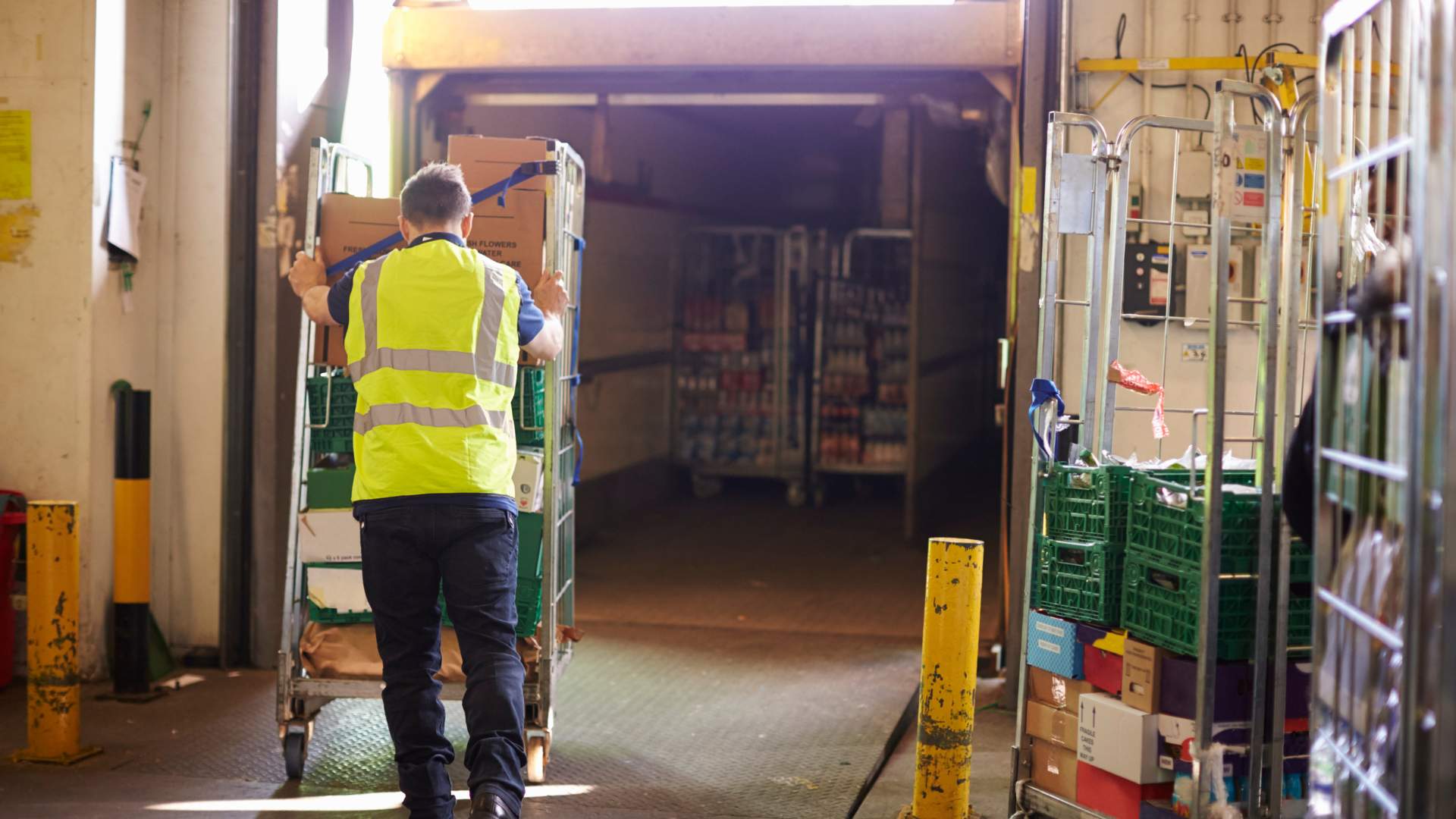
Our Sensize trackers are used on reusable containers such as pallets, boxes, beer crates, plastic crates and roll cages.
Sensize supports a wide range of industries including logistics, container pooling, automotive, cold chain, fresh produce, healthcare, manufacturing and reusable packaging systems.
Performance and differentiation
Yes. Sensize trackers are designed to withstand demanding supply chain conditions including impacts, weather exposure and repeated use.
By improving asset utilization, reducing loss, enabling reuse and optimizing logistics processes, Sensize helps businesses lower operational costs over time.
Sensize focuses on durable, reusable trackers combined with a user-friendly platform and strong supply chain expertise. The emphasis is on long term value rather than short term tracking. Our parent/child network architecture that allows low cost BLE tags to work like fully fledged GPS tracker, is unique.
Sustainability
Yes. By improving efficiency and minimizing losses and redundancies, asset tracking contributes to more sustainable logistics operations.
When companies invest in high-quality reusable assets, they must have a way of ensuring they stay within the supply chain and return to them to be reused.
Otherwise, they are simply not reusable!
Tracking solves this problem, allowing customers to know where their containers are so they can collect and reuse them at the end of each cycle.
Sensize enables reuse of assets and packaging, reduces waste and improves supply chain efficiency. Better visibility also helps lower emissions by optimizing routes and reducing unnecessary shipments.
Security and compliance
Yes. For industries like food, pharmaceuticals and healthcare, Sensize provides traceability and monitoring that support compliance with relevant regulations.
By enabling the efficient and sustainable use of reusable packaging, Sensize asset tracking helps companies stay compliant with the EU’s PPWR regulation, which makes producers responsible for recycling their packaging at the end of use.
In the US, businesses must monitor the temperature of food. This is achievable at the crate/box level with Sensize tracking.
Yes. Sensize uses secure data transmission and storage practices to ensure customer data is protected at all times.
Commercial and scaling
Absolutely. Sensize systems are designed to scale, allowing you to add more trackers and expand coverage as needed.
Yes. Sensize solutions are scalable and can be tailored to suit both smaller operations and global supply chains.
Sensize offers ongoing customer support from onboarding through to optimization, ensuring clients get maximum value from their investment.
Future and strategy
Asset tracking is becoming more integrated, automated and data driven. Future developments will focus on predictive insights, AI driven optimization and deeper supply chain transparency.
Without visibility, inefficiencies and losses go unnoticed. Asset tracking provides immediate insight and long-term competitive advantage in an increasingly complex and regulated supply chain environment.