
Contents
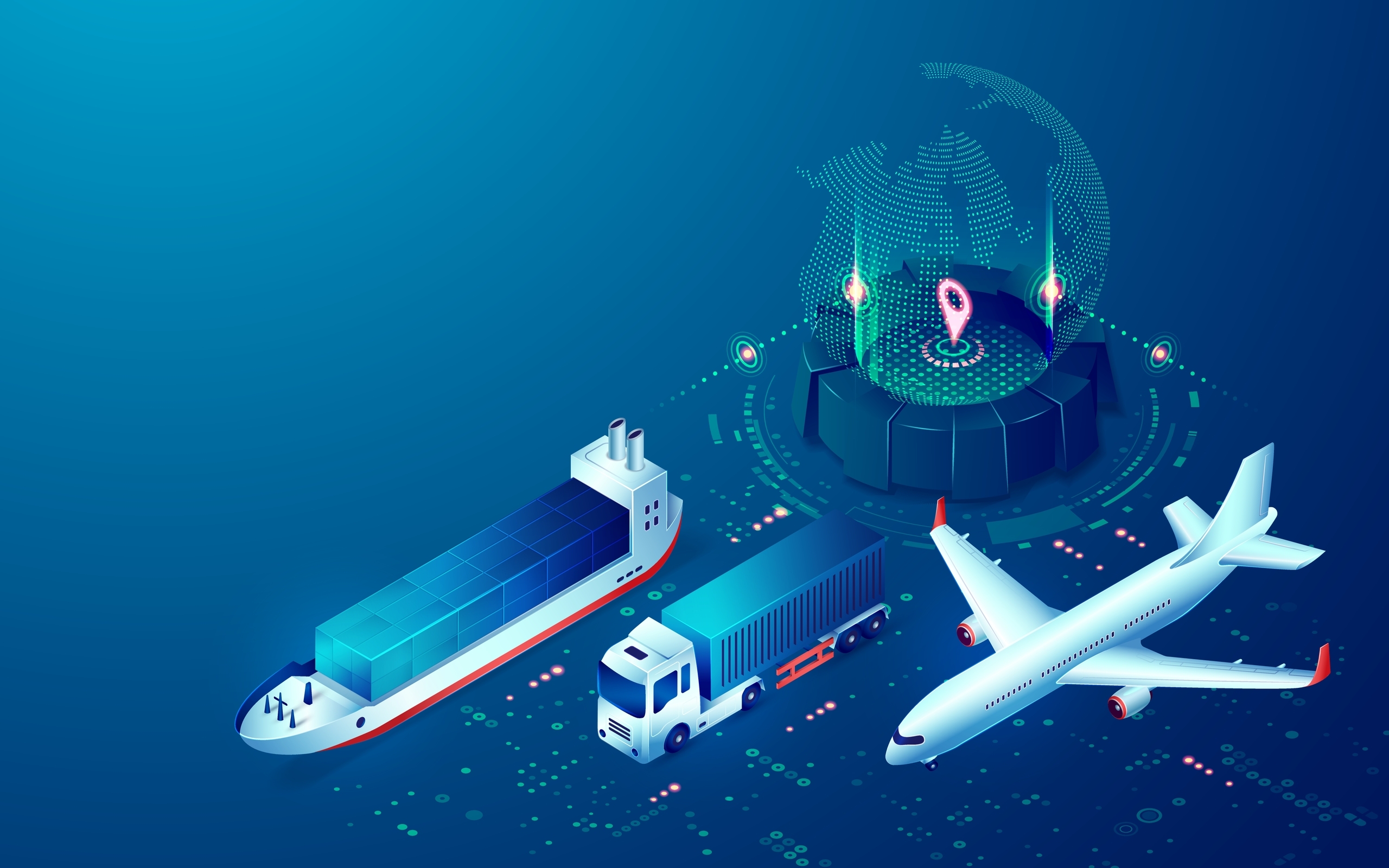
The explosion of Artificial Intelligence in recent years is already changing the world we live in.
Fueling AI’s growth is creating an unprecedented infrastructure demand, as companies invest billions in new AI data centers, cloud infrastructure and AI computing capacity.
To meet this demand, organizations are shipping unprecedented volumes of high-value hardware across increasingly complex global supply chains. Delivering this equipment to data centers is a logistical task that presents a wide variety of supply chain challenges.
A single shipment can contain millions of dollars’ worth of equipment.
Delays, theft, loss or damage can have significant financial and operational consequences.
Technology companies are therefore highly incentivized to find reliable, cost-effective solutions to speed up and secure data center logistics and mitigate risks during transit, to ensure that the new AI technology expansion can continue unimpacted by delays.

Artificial Intelligence: Solving headaches? Or causing them?
The rapid growth of AI has created a unique challenge for supply chain and logistics teams.
IT equipment once considered standard is now worth dramatically more as demand for GPUs, AI servers, NVIDIA chips and supporting infrastructure has surged. The construction of data centers has created a constant flow of equipment across global supply chains, but the value of each shipment is now substantially higher than it used to be.
This results in a number of risks for organizations moving technology assets between manufacturers, warehouses, integration facilities and data center locations.
The risks of high-value technology shipments
Theft and loss in transit
High-value hardware is an attractive target for theft, particularly when shipments pass through multiple transport providers, storage facilities and across international borders. Even a relatively small physical loss can result in significant financial costs and incur lengthy replacement lead times.
Transit delays affecting project delivery
Delays present another major challenge. Data center deployments and infrastructure expansion projects operate to strict schedules, with multiple teams and suppliers working towards the same deadline.
If critical equipment is delayed while in transit, entire implementation programs can be affected, pushing back data center launches, infrastructure upgrades and customer deployments.
Lack of supply chain visibility
Traditional freight tracking systems often provide only limited updates, leaving project teams uncertain about the exact location and status of critical, high-value shipments.
AI technology hardware can also originate from multiple manufacturers, pass through various logistics providers and arrive at a customer’s location at different times.
Each handover introduces another point at which asset visibility is reduced and the risk of theft or loss increases.
When organizations are investing millions in infrastructure, that lack of visibility can quickly become a serious operational risk.
Compliance and accountability
Technology companies need to be mindful of their legal obligations when constructing and shipping hardware, particularly across international borders. Organizations need clear records showing where equipment has been, who has handled it, and when transfers occurred, both to remain compliant and to ensure accountability.
Asset tracking for data centers
Protecting high-value technology assets starts with visibility.
The earlier an organization becomes aware of a potential issue, the greater its ability to respond.
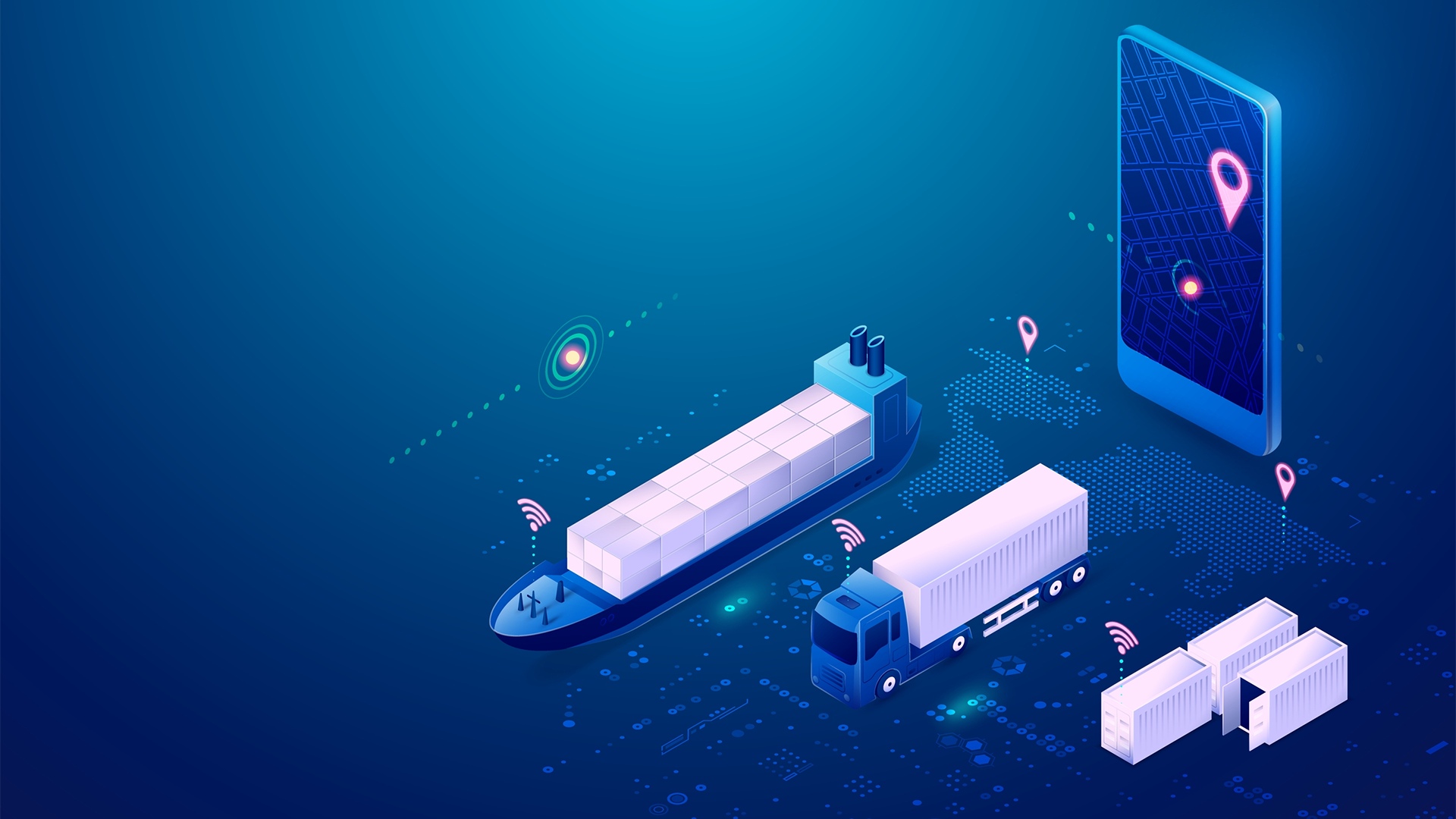
Asset tracking for data center infrastructure allows teams to monitor shipments continuously and receive alerts when assets deviate from planned routes, experience unexpected delays or enter unauthorized locations.
By attaching tracking devices directly to high-value equipment or shipments, organizations gain access to near-real-time location data throughout the transport process, understanding where equipment has been, when it changed hands, and how it moved through the supply chain. Instead of relying solely on periodic carrier updates, project teams can maintain continuous visibility over their critical assets.
This proactive approach enables teams to identify delays earlier, improve delivery planning, coordinate installations more effectively, and mitigate the risks of theft or loss.
Asset tracking can also help simplify communication between suppliers, logistics providers and deployment teams, and provide detailed audit trails. This information can be invaluable when investigating losses, resolving disputes or demonstrating accountability.
For large-scale AI data center projects and general IT hardware logistics, this level of visibility helps reduce uncertainty, improve project planning and minimize the risk of costly delays.
Sensize’s asset tracking technology
These logistical problems facing companies need addressing now. That’s why it’s important to introduce an asset tracking solution that can be up and running quickly, doesn’t require physical infrastructure and uses trackers durable enough to withstand international shipments.
Sensize has been designed to secure high-value goods, such as hardware for AI infrastructure, in transit. This is why we test our trackers against a range of environmental conditions and performance requirements, including extreme temperatures, water resistance, waterproofing and battery life.
Sensize’s asset tracking technology also does not require expensive reading gates, permissions from third-party IT departments, site visits for maintenance, or any of the costs and complexities associated with fixed infrastructure. Our trackers, mounted directly on the assets, do all the work.
Parent/Child tracking for data centers
Sensize uses an innovative system for its asset tracking solutions, ensuring both accuracy and cost effectiveness for technology asset tracking.
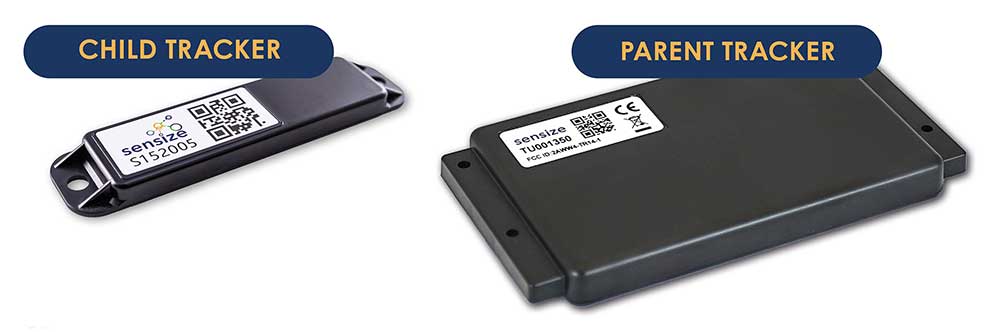
The system uses two types of trackers at once: a Parent tracker and a Child tracker.
- Parent trackers transmit data directly to the Sensize platform using the LTE cellular network
- Child trackers send their data to nearby Parent trackers that relay it to the platform

The future of technology asset management
As technology infrastructure for AI becomes more valuable and more widely distributed, expectations around asset visibility will continue to increase.
Organizations are already demanding greater transparency across their supply chains, and near-real-time asset tracking for AI infrastructure is a key requirement for that transformation.
For technology companies building data centers, deploying AI infrastructure or managing global hardware supply chains, the ability to track high-value assets in transit is vital.
It’s an important layer of risk management that helps protect valuable equipment, safeguard project timelines and improve supply chain resilience.
As the AI revolution continues unabated, AI companies that invest in greater asset visibility will be better positioned to keep critical infrastructure moving safely, securely and on schedule.
If you would like to learn more about how we ensure quality with our asset trackers, you can read our previous article.
Alternatively, get in touch if you would like to discuss our asset tracking solutions.
