
Contents
- High losses from the first batch of plastic pallets
- Limited visibility beyond the retailer’s facilities
- Difficult to identify where pallets were disappearing
- High replacement costs threatened the transition
- Losses from the tracked second batch reduced to almost zero
- Greater visibility across the wider supply chain
- Specific sources of pallet loss identified
- Greater protection for the investment in reusable pallets
- 100% of their packaging will need to be reusable by 2030, because of new PPWR regulations in Europe
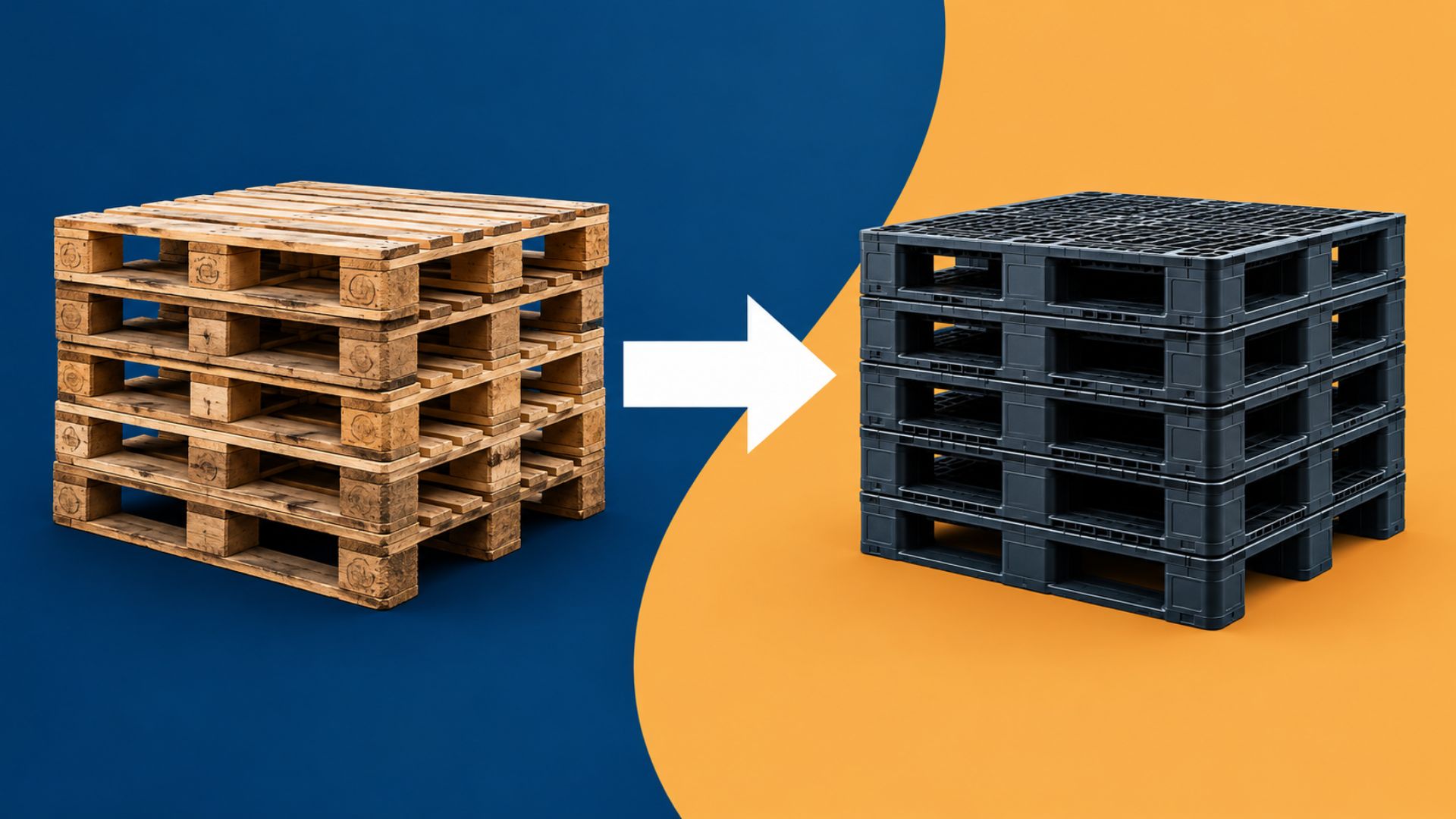
- Plastic pallets have better uniformity and quality over wood, making for more efficient handling at automated warehouses
- Wooden pallets need replacing frequently – plastic should be cheaper in the long run, easier to manage and better for the environment
But after 20,000 plastic pallets disappeared within their first deployment, the business faced a costly challenge that threatened the wider transition to plastic in their supply chain
By introducing Sensize tracking to its second batch of pallets, the retailer was able to identify where losses were occurring, address the problem and reduce leakages from the tracked batch to almost zero.
The challenge: A costly start to the plastic pallet transition
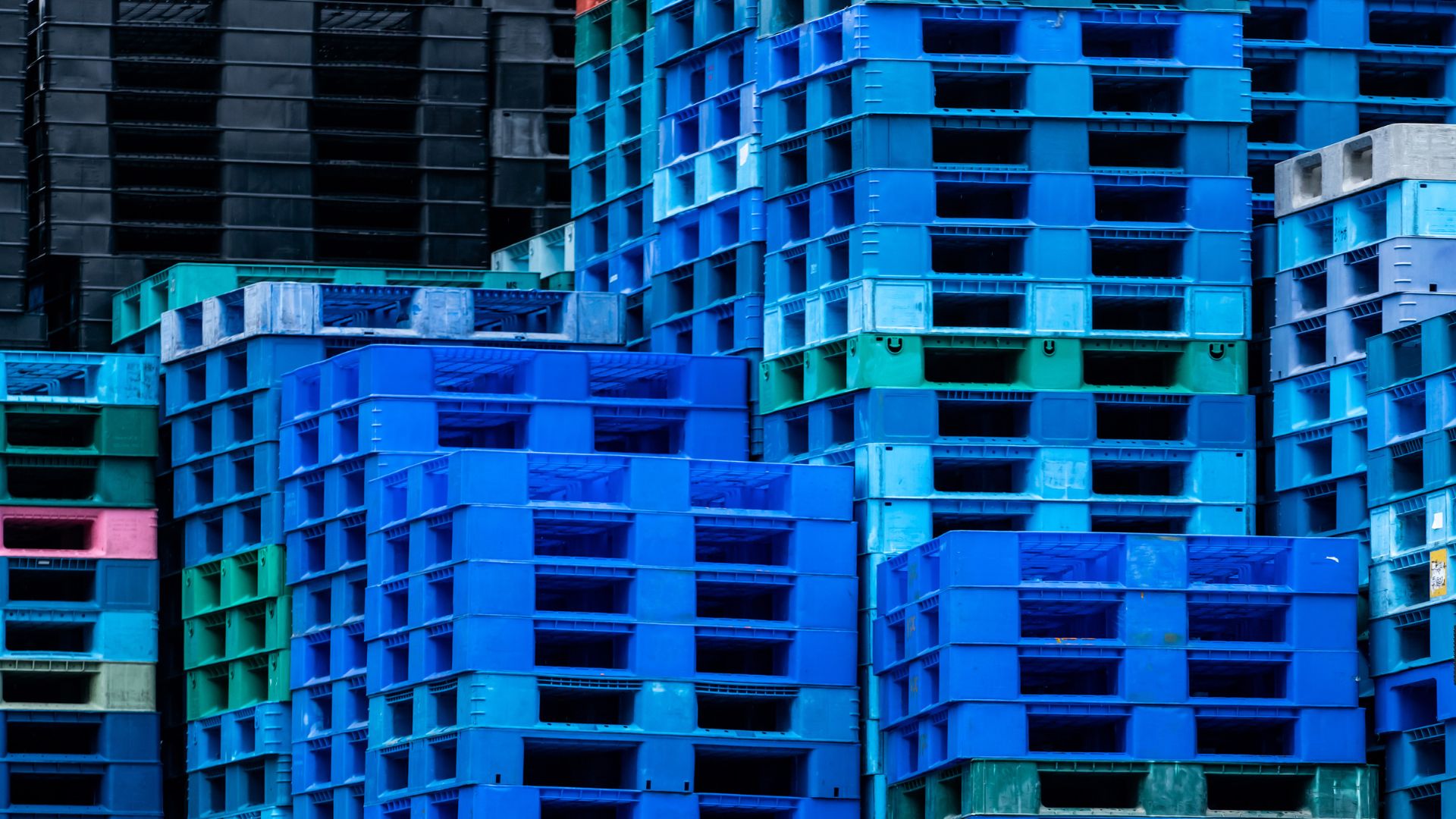
Reusable plastic pallets offer several advantages over traditional wooden pallets, including durability, longer lifespans and the potential for more efficient supply chain operations.
A missing wooden pallet is a normal cost of doing business, particularly for low cost “white wood” pallets which are almost disposable.
Plastic pallets are more expensive to purchase than wood but last much longer. Over time, the total cost of ownership for plastic pallets should be lower.
However, the greater upfront investment presented a challenge for the retailer as it began making the switch.
After introducing its first batch of plastic pallets, the retailer began experiencing significant losses across its supply chain. With each missing pallet representing a higher replacement cost, the financial implications of losing 20,000 quickly became a concern.
And as the business prepared to expand its reusable pallet fleet, there was a risk that these losses could undermine the economics of the entire transition.
The retailer needed to understand what was happening to its pallets once they left its own facilities. More importantly, it needed a way to prevent further losses.

The solution: Greater visibility with Sensize pallet tracking
To meet the 100% reusable packaging target, the retailer would need to minimize the losses of plastic pallets, both physical and financial.
They knew the pallets weren’t going missing within own distribution centers. They were being lost outside across the wider network.
To address the problem, the retailer attached Sensize trackers to its second batch of reusable plastic pallets.
By equipping the pallets with these trackers, the retailer could see their pallets wherever they were across the entire supply chain, not just at their distribution centers.
They could follow the pallets’ actual movements, rather than trying to infer losses from inventory accounts.
And it didn’t take long for the tracking data to reveal something important.

What the tracking data revealed
With Sensize tracking in place, the retailer discovered that a major source of pallet loss was linked to pallet resellers.
More importantly, it could identify the specific resellers where the losses were occurring.
This was a significant breakthrough.
Rather than continuing to replace missing pallets without understanding the cause, the retailer now had the information it needed to address the problem directly. Once the source of the losses had been identified, the retailer was able to take swift action to resolve the issue.
The positive impact was immediate.
The result: Plastic pallet losses reduced to almost zero
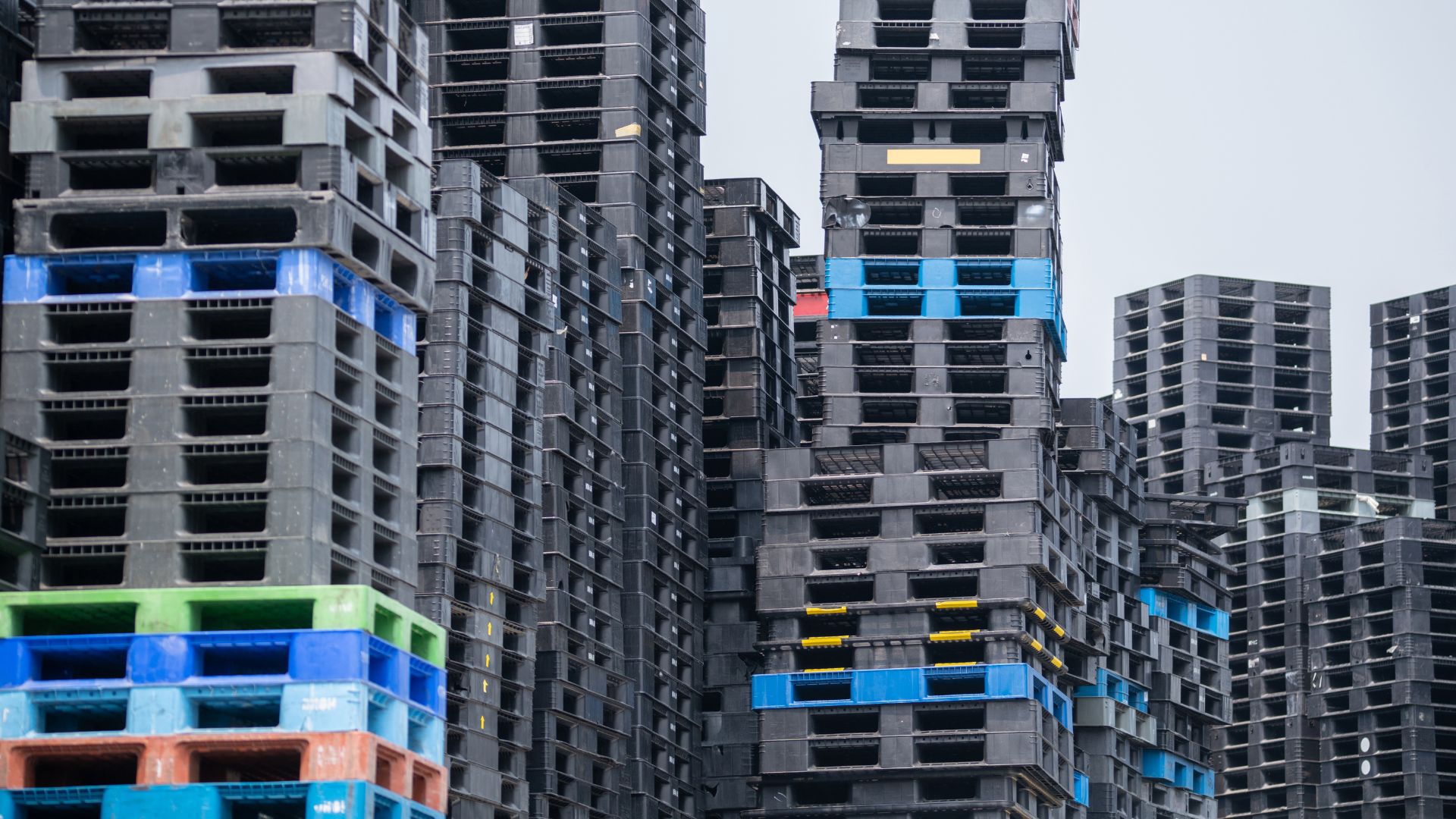
Following the introduction of Sensize tracking, losses from the retailer’s second batch of plastic pallets were reduced to almost zero.
By identifying and addressing the source of the losses, the retailer was able to protect its investment in reusable plastic pallets and strengthen the financial case for its wider transition.
The benefits went beyond the immediate financial savings.
The retailer now had a clearer understanding of how its pallets moved through the supply chain and where potential problems could occur.
This meant the business could take a more informed approach to managing its reusable pallet fleet, with greater visibility and control over its assets.

What this means for businesses managing reusable pallets
For businesses operating large reusable pallet fleets, asset losses can quickly become a significant expense.
And when those assets are more valuable, as is often the case with reusable plastic pallets, the financial impact can be even greater.
Without effective tracking, businesses may find themselves continually replacing missing assets without ever understanding why they’re disappearing.
As this case study demonstrates, better visibility can make a substantial difference.
By identifying exactly where pallets were being lost, Sensize gave the retailer the information it needed to take action and prevent the same problem from continuing.
For businesses considering a transition to reusable plastic pallets, or already managing a large fleet, knowing where assets are and how they’re moving through the supply chain can be essential to making reuse financially sustainable.
Want to reduce pallet losses across your supply chain?
Discover how Sensize tracking can help you identify losses, improve visibility and protect your investment in reusable assets.
